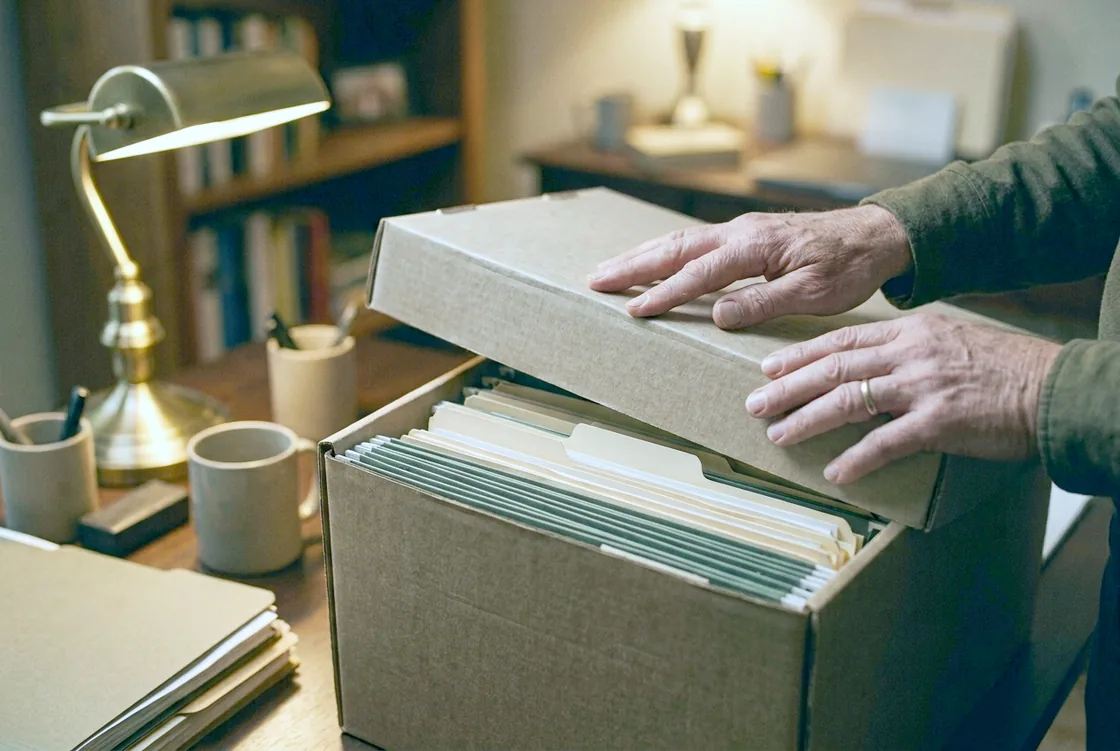


The IRS’s general rule is to keep tax records for three years from the date you filed the return they support, because that is how long it normally has to audit it. Some records need longer: six years if you underreported income by more than 25%, seven years for a bad debt deduction, and property records until three years after the year you sell or dispose of the item. Keep copies of the returns themselves indefinitely.
The rules at a glance
| Situation | Keep for |
|---|---|
| Most returns and their records | 3 years |
| Income underreported by more than 25% | 6 years |
| Bad debt or worthless securities loss | 7 years |
| Employment tax records, if you have employees | 4 years |
| No return filed, or a fraudulent one | Forever |
The clock starts when you file, or on the April due date if you filed early. So records for a 2026 return filed in April 2027 can generally go in April 2030. Lenders, insurers and your state can have their own, longer requirements, so check before shredding. If you claim a refund or credit after filing, keep the records for 3 years from filing or 2 years from when you paid the tax, whichever is later.
What counts as a record
- Income: invoices, 1099s, payment platform reports and bank deposits.
- Expenses: receipts, bills and card statements showing what you paid, to whom, when and what for.
- Mileage: the log of business trips and the year’s total miles.
- Assets: purchase receipts for equipment, vehicles and property, with the date you started using them for business.
- Returns: copies of every return you file, with its schedules.
A card statement alone shows that money left, not what it bought; for anything you deduct, the receipt or invoice is the stronger record.
Are photos and scans enough?
Yes. The IRS accepts electronic records, including scans and photos of paper receipts, as long as they are complete, legible and can be produced when asked. Store them somewhere backed up, not only on one phone. BrassWell reads receipts with AI scanning and keeps them with the expense they belong to, and you can export all of your records as a spreadsheet at any time.
Equipment, vehicles and a home office
For anything you depreciate, such as a camera, a computer, a vehicle or the business part of your home, the purchase records support every year’s deduction and the gain or loss when you sell. Keep them until the period of limitations runs out for the year you dispose of the asset: typically three years after filing the return for that year.
A system that keeps itself
Records are easiest when they’re made as the money moves: log each payment and expense the day it happens, snap the receipt straight away, and keep a folder per tax year. At year end, run through the year-end checklist and archive the year as one folder you can delete in three years.
Questions, answered
How long should I keep receipts for taxes?
Generally three years from the date you file the return they support. Keep them six years if you underreported income by more than 25%, seven for a bad debt deduction, and longer for receipts for property you depreciate.
Can I throw away tax records after 7 years?
For most people, yes, and many records can go after three. Keep copies of the returns themselves, records for property you still own, and anything for a year you didn’t file.
Does the IRS accept photos of receipts?
Yes. Electronic copies, including scans and photos, are acceptable records if they are complete, legible and available when requested.
How long should a business keep bank statements?
As long as the return they support: three years from filing in most cases, and longer under the six-year, seven-year or property rules.
Sources
- How long should I keep records? — IRS. Every retention period in the table.
- Recordkeeping — IRS. What records a small business should keep.
- Publication 583, Starting a Business and Keeping Records — IRS. Supporting documents and electronic records.